Human-Centered Approach
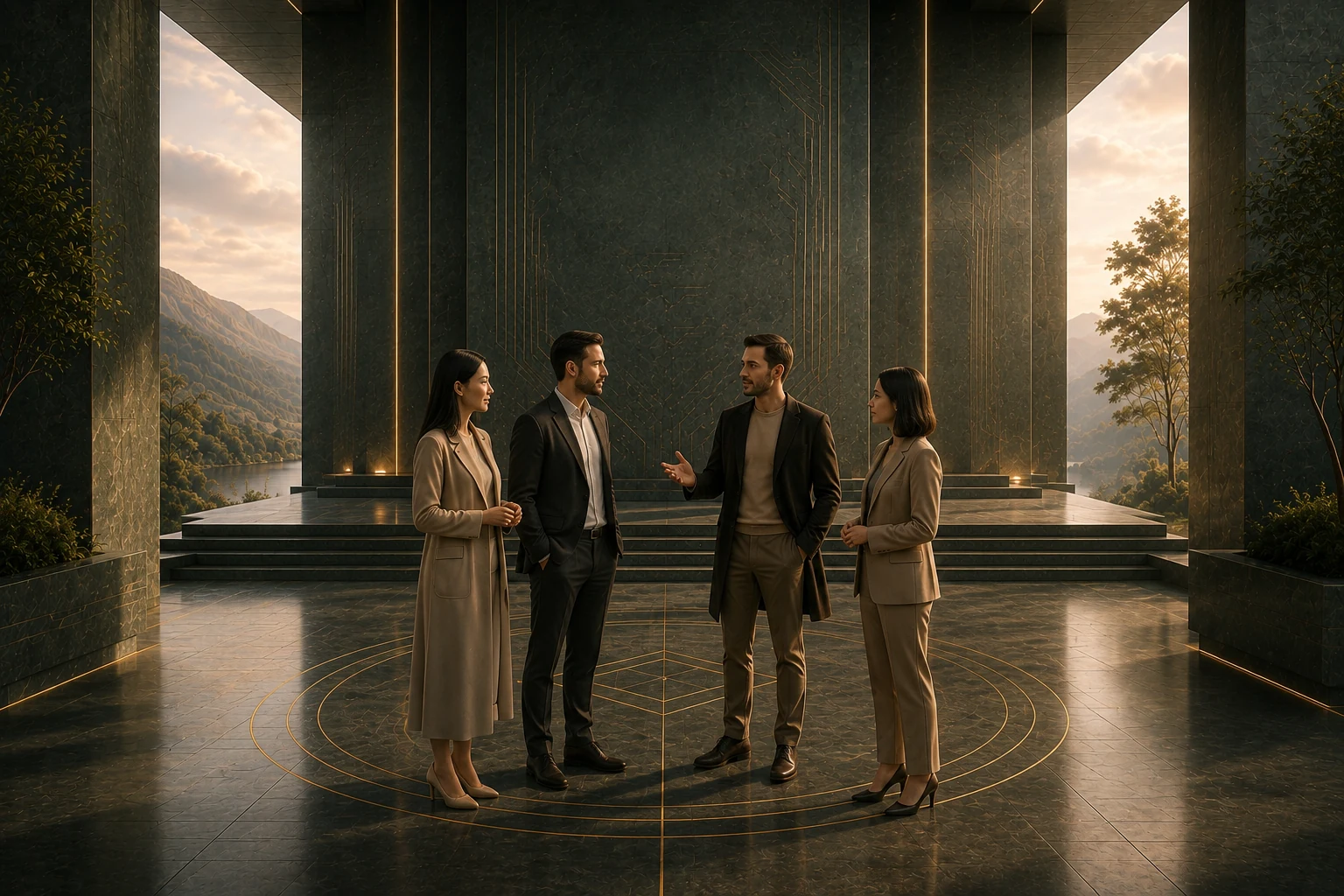
Technology must strengthen the human being, not replace them.

01 / General Position
HUMAS System has been established as a human-centered infrastructure for interaction, contribution recording, and the formation of long-term value.
HUMAS System combines:
02 / HUMAS SYSTEM
Interaction with HUMAS System implies an understanding that the system is not built around short-term attention, noise, or speculative behavior.
The foundation of interaction is:
HUMAS System does not view participants solely as users or customers.
The system views interaction as a form of participation within a shared infrastructure.
03 / Principles
Technology must strengthen the human being, not replace them.
Value is formed through action, participation, discipline, and time.
The long-term stability of the system is more important than short-term growth.
HUMAS System does not support aggressive attention-retention mechanics, artificial hype, or manipulative engagement models.
Any interaction within the system implies respectful treatment of participants, partners, and the project architecture.
04—08 / Interaction
The architecture of HUMAS System, including:
constitutes part of the unified intellectual system of HUMAS System.
Any strategic interaction is considered with the necessity of preserving the integrity of the project architecture.
HUMAS System remains open to:
At the same time, the system proceeds from the principle that participation is determined not only by financial factors, but also by the quality of intention, responsibility, and real contribution.
HUMAS System recognizes different forms of contribution, including:
The form, scale, and conditions of contribution recognition may be defined through separate agreements, protocols, or internal system models.
HUMAS System reserves the right to:
The system is not oriented toward short-term speculative cycles or actions capable of undermining the long-term sustainability of its architecture.
HUMAS System proceeds from the principle that:
The architecture of HUMAS System aims to minimize excessive intrusion into the personal space of participants.
09 / Final Principle
HUMAS System has been established as a long-term infrastructure of interaction between people, technology, and verified contribution.
The system develops gradually while preserving architectural sustainability, human orientation, and respect for the meaning of participation.
10 / Status of the Document
This memorandum is a framework document reflecting the principles of interaction with HUMAS System at the current stage of the system’s development.
Certain provisions may be supplemented, clarified, or expanded as the architecture of HUMAS System evolves.
HUMAS System Trusted Environment →